

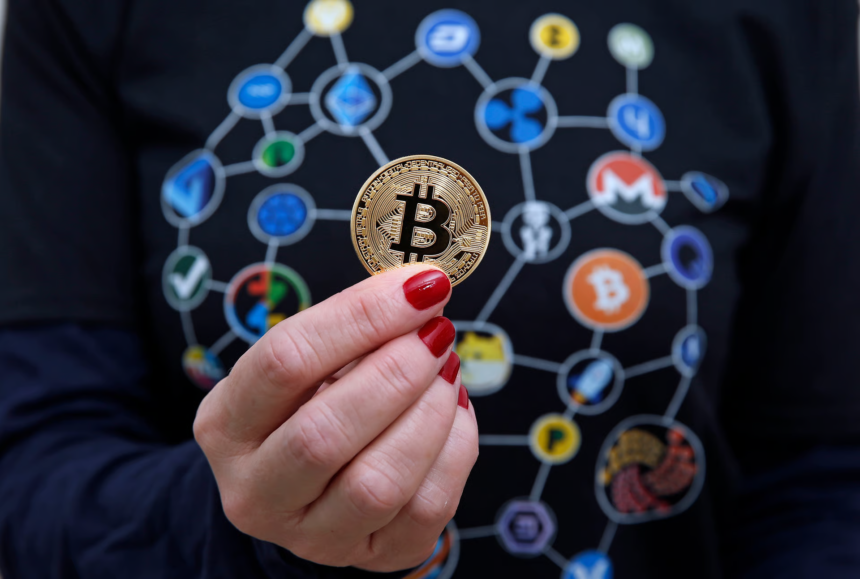
When most people hear the word blockchain, they immediately think about Bitcoin or other digital currencies. While cryptocurrency is the most famous application of blockchain technology, it is only a small part of what blockchain can actually do. Today, businesses, governments, healthcare providers, and many other industries are exploring blockchain to solve real-world problems in smarter and safer ways.
Blockchain is changing how information is stored, shared, and protected. It offers transparency, security, and trust without needing a middleman. Because of these benefits, blockchain is becoming useful in many areas beyond digital money.
This article explains the most important blockchain use cases beyond cryptocurrency in simple and easy words.
What Is Blockchain?
Blockchain is a digital system that stores information in connected blocks. These blocks are linked together in a secure chain. Once information is added, it becomes very difficult to change or remove it.
Instead of storing data in one central location, blockchain keeps copies of the data across many computers. This makes the system safer, more transparent, and harder to hack.
Every transaction or record added to the blockchain is verified by the network. Because of this, blockchain creates trust between people and organizations without needing banks or other third parties.
Supply Chain Management
One of the biggest uses of blockchain outside cryptocurrency is supply chain management. Companies can use blockchain to track products from the manufacturer to the customer.
For example, food companies can monitor where fruits, vegetables, or meat come from. If a product becomes contaminated, businesses can quickly identify the source and remove affected items from stores.
Blockchain also helps reduce fraud in supply chains. Luxury brands use it to prove that products are original and not fake. Customers can scan a product code and see its full journey from production to delivery.
This technology improves transparency, saves time, and builds customer trust.
Healthcare Industry
Healthcare systems store huge amounts of patient data. Traditional systems often face problems like data theft, missing records, and slow information sharing.
Blockchain can help solve these issues by creating secure digital medical records. Patients can control who accesses their information while doctors and hospitals can safely share records when needed.
For example, if a patient visits a new hospital, doctors can instantly access accurate medical history through blockchain. This reduces paperwork and improves treatment.
Blockchain can also track medicines to prevent fake drugs from entering the market. This is especially important in countries where counterfeit medicines are a serious problem.
Voting Systems
Many countries are exploring blockchain for secure online voting systems. Traditional voting methods sometimes face concerns about fraud, manipulation, or missing votes.
Blockchain can make voting more transparent and secure. Every vote can be recorded permanently, making it almost impossible to alter results secretly.
People could vote online from their homes while still maintaining security and privacy. Election officials could also count votes faster and more accurately.
Although blockchain voting is still developing, experts believe it may become an important part of future elections.
Real Estate Transactions
Buying or selling property usually involves paperwork, agents, banks, and legal verification. The process can take weeks or even months.
Blockchain can simplify real estate transactions by storing property records digitally. Ownership details become transparent and secure, reducing fraud and paperwork.
Smart contracts, which are automatic agreements stored on blockchain, can complete payments and ownership transfers instantly once conditions are met.
This can lower costs, reduce delays, and make property transactions smoother for buyers and sellers.
Education and Academic Records
Educational institutions can use blockchain to store degrees, certificates, and student records securely.
Today, fake degrees and forged certificates are common problems. Employers often spend time verifying educational documents.
With blockchain, universities can issue digital certificates that cannot easily be changed or copied. Employers can quickly verify if a qualification is real.
Students also benefit because they can safely store their academic achievements online without worrying about losing documents.
This creates a more trustworthy and efficient education system.
Banking and Financial Services
Even beyond cryptocurrency, blockchain is transforming traditional banking systems.
Banks use blockchain to speed up international money transfers. Normally, cross-border payments may take several days and include high fees. Blockchain can complete these transactions much faster and at lower costs.
Blockchain also improves security in financial systems. Fraud detection becomes easier because every transaction is recorded transparently.
Insurance companies are using blockchain to process claims more efficiently. Smart contracts can automatically approve payments when conditions are fulfilled, reducing delays and paperwork.
Identity Verification
Identity theft is a growing problem worldwide. Many people lose personal information through data breaches or online scams.
Blockchain offers a safer way to manage digital identities. Instead of storing personal data in one vulnerable database, blockchain keeps encrypted identity records securely distributed.
People could use blockchain-based digital IDs for banking, travel, healthcare, or online accounts without sharing unnecessary personal details.
This gives users greater privacy and control over their information while reducing fraud risks.
Smart Contracts
Smart contracts are one of the most powerful features of blockchain technology. These are self-executing agreements that automatically perform actions when certain conditions are met.
For example, imagine renting an apartment. A smart contract could automatically release the digital key once the payment is completed.
Businesses can use smart contracts for insurance claims, employee payments, online purchases, and legal agreements.
Because the process is automatic, smart contracts reduce human errors, save time, and remove the need for intermediaries.
Entertainment and Digital Content
Blockchain is also helping artists, musicians, and content creators protect their work.
Many creators struggle with copyright theft and unfair payments. Blockchain allows artists to register ownership of music, videos, artwork, or written content securely.
Creators can receive payments directly from customers without depending heavily on third-party platforms.
Blockchain also supports NFTs (Non-Fungible Tokens), which allow digital creators to sell unique digital assets online.
This technology gives artists more control over their income and creative rights.
Internet of Things (IoT)
The Internet of Things refers to smart devices connected to the internet, such as smart homes, smart cars, and wearable devices.
Blockchain improves security for these connected devices. Since IoT devices constantly exchange data, they can become targets for hackers.
Blockchain creates secure communication between devices and prevents unauthorized access.
For example, in a smart home, blockchain could help securely manage connected lights, locks, cameras, and appliances without risking data leaks.
Government Services
Governments around the world are exploring blockchain for public services.
Blockchain can improve record management for birth certificates, land ownership, taxes, and licenses. Since records are secure and transparent, corruption and document fraud become harder.
Some governments are testing blockchain systems for public spending transparency. Citizens can track how government funds are used, increasing accountability.
This technology has the potential to build stronger trust between governments and citizens.
Challenges of Blockchain Technology
Despite its many benefits, blockchain still faces challenges.
One major issue is scalability. Some blockchain networks become slow when handling large numbers of transactions.
Energy consumption is another concern. Certain blockchain systems require high computing power, which increases electricity usage.
There are also legal and regulatory uncertainties in many countries. Governments are still developing rules for blockchain applications.
In addition, some businesses hesitate to adopt blockchain because implementation can be expensive and technically complex.
However, technology continues improving, and many experts believe these challenges will gradually decrease over time.
The Future of Blockchain
Blockchain technology is still developing, but its future looks promising. More industries are discovering ways to use blockchain for security, transparency, and efficiency.
In the coming years, blockchain may become part of everyday life without people even noticing it. From healthcare and education to banking and entertainment, blockchain has the power to transform many systems we use daily.
Companies investing in blockchain today may gain strong advantages in the future as digital transformation continues worldwide.
Conclusion
Blockchain is much more than cryptocurrency. It is a powerful technology that can improve security, transparency, and trust across many industries.
From healthcare and supply chains to voting systems and education, blockchain is solving real-world problems in innovative ways. Although challenges still exist, the technology continues growing rapidly.
As businesses and governments adopt blockchain solutions, its impact on society will likely become even bigger in the future. Understanding blockchain beyond cryptocurrency helps people see its true potential and the important role it may play in the modern world.
FAQs
1. What is the main purpose of blockchain technology?
The main purpose of blockchain is to store and share data securely and transparently without needing a central authority.
2. Is blockchain only used for Bitcoin?
No, blockchain is used in many industries including healthcare, supply chains, education, banking, and real estate.
3. What are smart contracts in blockchain?
Smart contracts are automatic digital agreements that execute actions when certain conditions are met.
4. How does blockchain improve security?
Blockchain uses encryption and decentralized storage, making data difficult to hack or change illegally.
5. What industries benefit most from blockchain?
Industries like healthcare, finance, logistics, government, and education benefit greatly from blockchain technology.