
Technology in 2026 is moving faster than ever before. What once felt like science fiction is now part of daily life. From smarter artificial intelligence to advanced healthcare tools and greener energy systems, the world is being reshaped in powerful ways. In this article, we will explore the latest technology trends in 2026, explained in simple and easy language so everyone can understand how these changes are affecting our lives.
1. Artificial Intelligence Becomes More Human-Like
One of the biggest latest technology trends in 2026 is the rapid improvement of Artificial Intelligence (AI). AI is no longer just a tool for answering questions or generating text. It has become more human-like in understanding emotions, tone, and context.
In 2026, AI is widely used in:
- Customer service chatbots that sound natural
- Personal assistants that manage daily schedules
- AI teachers that help students learn at their own pace
- Healthcare systems that help doctors detect diseases early
What makes this trend powerful is that AI can now “learn” from smaller amounts of data and still make accurate decisions. This means businesses and individuals can use AI more easily than before.
However, there is also concern about job replacement. Many simple office tasks are now automated. This is why people are focusing more on learning creative and technical skills that AI cannot easily replace.
2. Rise of Generative Content Tools
Another major trend is the rise of generative tools. These tools can create text, images, music, and even videos in seconds. In 2026, content creation has become faster and more accessible.
For example:
- Marketing teams generate ad campaigns in minutes
- Designers create logo ideas instantly
- Writers use AI to brainstorm stories and articles
- Filmmakers use AI to create visual effects
This trend is changing industries like media, advertising, and entertainment. Small businesses now compete with large companies because they have access to the same powerful tools.
But at the same time, originality and authenticity are becoming more important. People now prefer content that feels real and human, even if it is supported by AI tools.
3. Expansion of Smart Devices and Internet of Things (IoT)
The Internet of Things (IoT) continues to grow in 2026. IoT means connecting everyday objects to the internet so they can communicate and share data.
Today, smart devices include:
- Smart homes that control lights, temperature, and security
- Smart refrigerators that track food and suggest recipes
- Wearable fitness trackers that monitor health in real time
- Smart cities with traffic systems that reduce congestion
This trend is making life more convenient and efficient. For example, your home can automatically adjust the temperature when you enter, or your watch can warn you about health risks before they become serious.
However, with more devices connected to the internet, cybersecurity risks are also increasing. Protecting personal data has become a top priority in 2026.
4. Growth of Green Technology and Clean Energy
As climate change becomes more serious, green technology is one of the most important latest technology trends in 2026. Countries and companies are investing heavily in eco-friendly solutions.
Some key developments include:
- Solar panels that are more efficient and cheaper
- Electric vehicles with longer battery life
- Smart energy grids that reduce electricity waste
- Carbon capture systems that reduce pollution
Electric vehicles are now more common than traditional fuel cars in many cities. Charging stations are available almost everywhere, making EVs more practical for daily use.
This trend shows that technology is not just about convenience, but also about protecting the planet for future generations.
5. Advancements in Healthcare Technology
Healthcare is also being transformed in 2026. Technology is helping doctors treat patients faster and more accurately.
Some major innovations include:
- AI-powered diagnostic tools that detect diseases early
- Robotic surgery systems that increase precision
- Wearable health monitors that track heart rate, sleep, and stress
- Telemedicine platforms for remote consultations
Patients no longer need to travel long distances for basic medical advice. Many health issues can now be checked through mobile apps or online video calls.
This trend is improving healthcare access, especially in rural areas. It is also helping reduce medical costs and waiting times.
6. Extended Reality (AR, VR, and Mixed Reality)
Extended Reality (XR), which includes Augmented Reality (AR) and Virtual Reality (VR), is becoming more common in 2026.
This technology is used in:
- Education, where students explore 3D lessons
- Gaming, where players feel fully immersed
- Real estate, where buyers tour homes virtually
- Training programs for pilots, doctors, and engineers
For example, medical students can practice surgeries in a virtual environment without risk. This makes learning safer and more effective.
In the future, XR may replace traditional screens in many areas of life.
7. Faster Internet with 6G Development
While 5G is still expanding, research on 6G technology is already shaping the future. In 2026, early testing of 6G networks is happening in some countries.
6G promises:
- Extremely fast internet speeds
- Almost zero delay in communication
- Better support for AI and smart cities
- Improved virtual reality experiences
This will make everything from online gaming to remote work smoother and more reliable. It will also help connect remote areas to high-speed internet.
8. Cybersecurity Becomes More Important
As technology grows, so do cyber threats. In 2026, cybersecurity is one of the most critical concerns.
With more personal data online, hackers are becoming more advanced. To fight this, companies are using:
- AI-based threat detection systems
- Biometric security like fingerprints and face recognition
- Stronger encryption methods
- Zero-trust security models
Individuals are also being encouraged to use stronger passwords and multi-factor authentication.
Cybersecurity is no longer optional—it is a basic necessity in the digital world.
9. Robotics in Daily Life
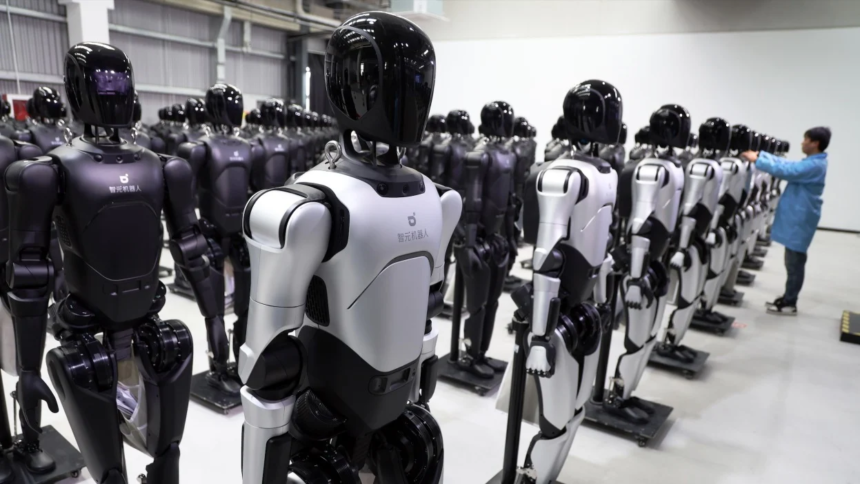
Robots are no longer limited to factories. In 2026, robotics is entering homes, hospitals, and public spaces.
Examples include:
- Cleaning robots for homes and offices
- Delivery robots in cities
- Robotic assistants in hospitals
- Agricultural robots for farming tasks
These robots help save time and reduce human effort in repetitive tasks. However, human supervision is still important to ensure safety and efficiency.
10. Blockchain Beyond Cryptocurrency
Blockchain technology is also evolving beyond cryptocurrency. In 2026, it is used in many industries for secure data management.
Applications include:
- Safe digital voting systems
- Secure medical records
- Transparent supply chain tracking
- Digital identity verification
Blockchain ensures that data cannot be easily changed or hacked, making systems more trustworthy.
Conclusion
The latest technology trends in 2026 show us a future that is smarter, faster, and more connected. Artificial intelligence, smart devices, green energy, healthcare innovations, and advanced internet systems are all shaping how we live and work.
While these technologies bring many benefits, they also come with challenges such as privacy concerns, job changes, and cybersecurity risks. The key is to use technology wisely and responsibly.
As we move forward, one thing is clear: technology will continue to evolve, and humans will need to adapt, learn, and grow with it.
FAQs
1. What are the latest technology trends in 2026?
The latest trends include artificial intelligence, smart devices (IoT), green technology, healthcare innovations, robotics, and faster internet systems like 6G.
2. How is AI changing in 2026?
AI is becoming more human-like, helping in education, healthcare, business automation, and personal assistance with better understanding and accuracy.
3. Why is green technology important in 2026?
Green technology helps reduce pollution, fight climate change, and create sustainable energy sources like solar power and electric vehicles.
4. Is 6G available in 2026?
6G is still in the early testing stage in some countries, but it is expected to offer extremely fast and low-latency internet in the future.
5. How does technology affect jobs in 2026?
Technology automates many simple tasks, but it also creates new jobs in AI, cybersecurity, data science, and green energy industries.