

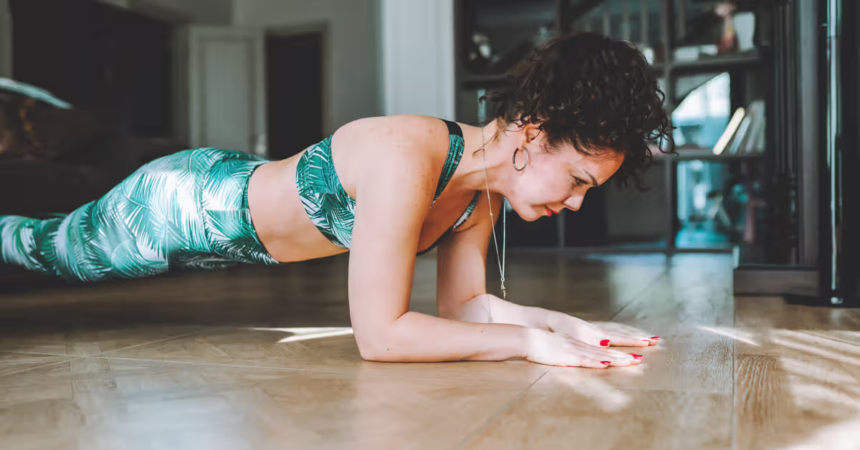
Staying healthy does not always require a gym membership or expensive fitness machines. Many people today prefer working out at home because it saves time, money, and energy. A home workout routine without equipment is one of the easiest ways to improve fitness while staying comfortable in your own space. Whether you are a beginner or someone returning to exercise after a long break, bodyweight workouts can help you build strength, improve flexibility, and stay active.
The best part about home workouts is that you can start anytime. You do not need dumbbells, treadmills, or heavy machines. Your body weight is enough to create an effective fitness routine. With consistency and proper movement, you can burn calories, strengthen muscles, and improve overall health without stepping outside.
Why Home Workouts Are Popular
Many people struggle to maintain a gym routine because of busy schedules. Traveling to the gym, waiting for machines, or paying monthly fees can become stressful. Home workouts solve these problems by giving you freedom and flexibility.
Here are some major benefits of exercising at home:
- No gym membership cost
- Saves traveling time
- Easy for beginners
- Comfortable environment
- Flexible workout timing
- Suitable for all fitness levels
Home workouts are also perfect for people who feel shy exercising in public. You can train privately and move at your own pace.
How Bodyweight Exercises Work
Bodyweight exercises use your own body as resistance. Movements like squats, push-ups, planks, and lunges target different muscle groups. These exercises improve strength, balance, endurance, and coordination.
Unlike machine workouts, bodyweight training engages multiple muscles at the same time. This makes your workouts more natural and functional for daily life activities.
For example:
- Squats strengthen your legs and hips
- Push-ups build chest and arm muscles
- Planks improve core strength
- Lunges increase balance and flexibility
When done regularly, these simple exercises can provide excellent results.
Best Warm-Up Before Starting
Before starting any workout, warming up is important. A warm-up prepares your muscles and reduces the risk of injury. Spend at least 5 to 10 minutes warming up your body.
Here are simple warm-up exercises:
- Arm circles
- Neck rotations
- Jumping jacks
- Light jogging in place
- High knees
- Leg swings
Warming up increases blood flow and helps your body move more easily during exercise.
Simple Home Workout Routine Without Equipment
This beginner-friendly workout routine can be done in a small room without any equipment. Perform each exercise for 30 to 45 seconds and rest for 15 seconds between exercises.
1. Jumping Jacks
Jumping jacks are excellent for increasing heart rate and warming up the body. They help improve stamina and burn calories quickly.
2. Squats
Squats strengthen the thighs, hips, and glutes. Keep your back straight and lower your body slowly as if sitting on a chair.
3. Push-Ups
Push-ups work on the chest, shoulders, and arms. Beginners can start with knee push-ups if regular push-ups feel difficult.
4. Lunges
Lunges improve balance and strengthen leg muscles. Step forward with one leg and bend both knees evenly.
5. Plank
The plank is one of the best exercises for core strength. Keep your body straight while supporting yourself on your elbows and toes.
6. Mountain Climbers
Mountain climbers are a full-body cardio exercise. They increase heart rate and strengthen the core.
7. Glute Bridges
This exercise targets the lower back and glutes. Lie on your back, bend your knees, and lift your hips upward.
8. Burpees
Burpees combine cardio and strength training. They help burn fat and improve endurance.
Repeat the full routine 2 to 3 times depending on your fitness level.
Weekly Workout Plan
Creating a weekly routine helps maintain consistency. Here is a simple schedule:
Monday
Full-body workout
Tuesday
Light stretching and walking
Wednesday
Core and leg exercises
Thursday
Rest day
Friday
Cardio workout
Saturday
Full-body workout
Sunday
Relaxation and stretching
Rest days are important because muscles need time to recover and grow stronger.
Tips to Stay Motivated
Many people start exercising with excitement but lose motivation after a few days. Staying consistent is the biggest challenge in fitness. Here are some helpful tips:
Set Small Goals
Start with realistic targets like exercising for 20 minutes daily.
Follow a Schedule
Choose a fixed workout time every day.
Track Progress
Take photos or write down your progress weekly.
Listen to Music
Music makes workouts more enjoyable and energetic.
Stay Patient
Results take time. Consistency matters more than perfection.
Importance of Proper Form
Using proper exercise form is very important. Incorrect movements can cause injuries and reduce workout effectiveness.
For example:
- Keep your knees aligned during squats
- Avoid arching your back during planks
- Land softly during jumping exercises
Start slowly and focus on quality rather than speed.
Healthy Eating Along With Exercise
Exercise alone is not enough for a healthy lifestyle. Good nutrition supports your fitness journey and provides energy for workouts.
Try to include:
- Fruits and vegetables
- Lean protein
- Whole grains
- Plenty of water
- Healthy fats
Avoid excessive junk food and sugary drinks. Eating balanced meals helps improve workout results.
Can Home Workouts Help With Weight Loss?
Yes, home workouts can support weight loss when combined with healthy eating habits. Exercises like jumping jacks, burpees, and mountain climbers burn calories effectively.
Weight loss depends on:
- Regular exercise
- Healthy diet
- Consistency
- Good sleep
- Proper hydration
Even short daily workouts can make a big difference over time.
Mental Benefits of Home Exercise
Exercise is not only good for the body but also for the mind. Regular workouts help reduce stress, anxiety, and negative thoughts. Physical activity releases chemicals in the brain that improve mood and increase energy levels.
People who exercise regularly often experience:
- Better sleep
- Improved confidence
- Reduced stress
- More energy
- Better focus
A simple 20-minute workout can improve your mood for the entire day.
Common Mistakes to Avoid
Many beginners make small mistakes that affect their progress. Avoid these common issues:
- Skipping warm-ups
- Exercising with poor form
- Overtraining
- Ignoring rest days
- Not drinking enough water
Fitness is a long-term journey. Taking care of your body is important.
How Long Should You Exercise?
Beginners can start with 20 to 30 minutes daily. As stamina improves, workout time can increase gradually.
The key is consistency, not long workout hours. Even short workouts done regularly provide excellent health benefits.
Final Thoughts
A home workout routine without equipment is one of the simplest and most affordable ways to stay healthy. You do not need a fancy gym or expensive machines to improve your fitness. With dedication, proper exercises, and a healthy lifestyle, anyone can become stronger and more active from home.
The most important step is getting started. Begin with simple movements, stay consistent, and slowly improve your strength and endurance. Small daily efforts can create big changes over time.
FAQs
1. Can beginners do home workouts without equipment?
Yes, beginners can easily start with basic bodyweight exercises like squats, push-ups, and planks.
2. How many days a week should I exercise at home?
Most people can benefit from working out 4 to 5 days per week with proper rest days.
3. Do home workouts build muscle?
Yes, bodyweight exercises help strengthen and tone muscles when done consistently.
4. What is the best time for home workouts?
The best time is whenever you feel most energetic and can stay consistent.
5. How long does it take to see results?
Many people notice improved energy and strength within a few weeks of regular exercise.