
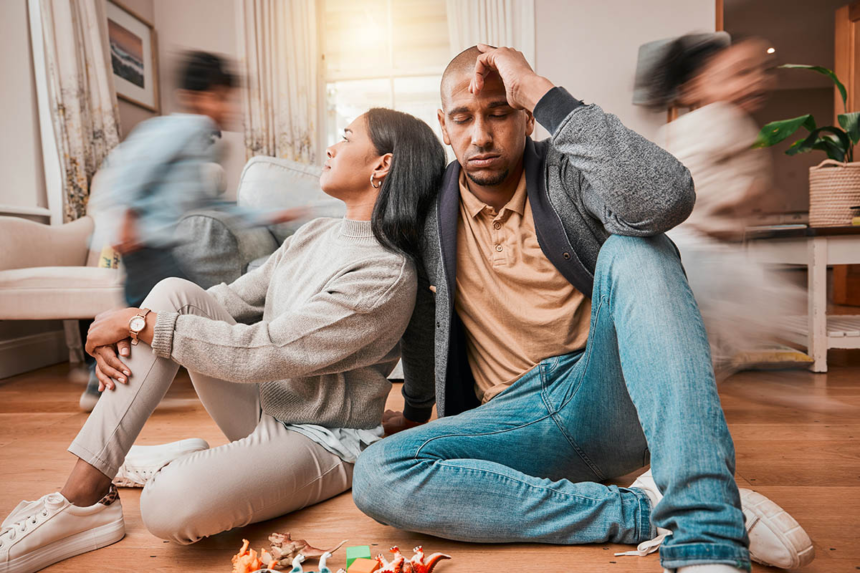
Stress has become a common part of modern life. Many people deal with pressure from work, studies, family responsibilities, financial problems, and health concerns every day. While a small amount of stress can sometimes help people stay focused, too much stress can affect both mental and physical health. It can cause headaches, poor sleep, anxiety, tiredness, mood swings, and even serious health problems over time.
The good news is that stress can be managed without expensive treatments or complicated routines. Your home can become a peaceful place where you relax, recharge, and improve your emotional well-being. Simple daily habits can make a big difference in reducing stress and helping you feel calmer and happier.
In this article, we will explore easy and effective stress management techniques that you can practice at home.
1. Practice Deep Breathing
One of the easiest ways to reduce stress is deep breathing. When people feel stressed, their breathing often becomes fast and shallow. Deep breathing helps relax the nervous system and sends calming signals to the brain.
A simple breathing exercise can be done in just a few minutes:
- Sit comfortably in a quiet place.
- Close your eyes.
- Breathe in slowly through your nose for four seconds.
- Hold your breath for four seconds.
- Breathe out slowly through your mouth for six seconds.
- Repeat this process several times.
Deep breathing helps lower heart rate, relax muscles, and improve focus. You can practice it anytime during the day, especially when feeling anxious or overwhelmed.
2. Create a Daily Routine
A disorganized lifestyle can increase stress levels. Having a daily routine gives structure and balance to life. It helps people feel more in control of their time and responsibilities.
Start by planning simple activities such as:
- Waking up at the same time every day
- Eating meals on schedule
- Taking short breaks during work
- Setting time for exercise and relaxation
- Going to bed at a regular hour
A healthy routine reduces confusion and helps the mind stay calm. Even small routines can create a sense of stability and comfort.
3. Exercise Regularly at Home
Physical activity is one of the best natural stress relievers. Exercise releases chemicals called endorphins, which improve mood and reduce tension.
You do not need a gym membership to stay active. Many simple exercises can be done at home, including:
- Walking around the house or garden
- Stretching exercises
- Yoga
- Dancing to music
- Skipping rope
- Home workout videos
Even 20 to 30 minutes of daily movement can improve mental health. Exercise also helps improve sleep quality and increases energy levels.
4. Spend Less Time on Social Media
Social media can sometimes increase stress and anxiety. Constant exposure to negative news, comparisons with others, and too much screen time can affect mental peace.
To manage stress better:
- Limit social media use
- Avoid checking your phone constantly
- Take short digital breaks
- Spend more time on real-life activities
Instead of scrolling for hours, use your free time to read, exercise, cook, or talk with family members. Reducing screen time can improve mood and mental clarity.
5. Keep Your Home Organized
A messy environment can make the mind feel more stressed and distracted. Cleaning and organizing your living space creates a peaceful atmosphere.
You can start with small tasks such as:
- Making your bed daily
- Organizing your desk
- Cleaning one room at a time
- Removing unnecessary items
A clean and comfortable home can improve concentration and create a feeling of calmness. Many people notice they feel more relaxed after tidying their surroundings.
6. Get Enough Sleep
Lack of sleep can increase stress and make it difficult to handle emotions properly. Adults generally need around seven to eight hours of sleep every night.
To improve sleep quality:
- Avoid caffeine late in the evening
- Keep your bedroom quiet and dark
- Avoid using phones before bedtime
- Follow a regular sleeping schedule
- Relax before sleeping by reading or listening to soft music
Good sleep helps the body recover and gives the mind the strength to handle daily challenges more effectively.
7. Practice Meditation and Mindfulness
Meditation is a powerful technique that helps calm the mind. Mindfulness means focusing on the present moment instead of worrying about the past or future.
You can practice mindfulness at home by:
- Sitting quietly for a few minutes
- Paying attention to your breathing
- Observing your thoughts without judgment
- Focusing on simple activities like eating or walking
Meditation helps reduce anxiety, improve emotional balance, and increase inner peace. Even ten minutes a day can provide positive results.
8. Eat Healthy Foods
Food has a strong effect on mood and energy levels. Unhealthy eating habits can increase tiredness and stress.
Try to include healthy foods such as:
- Fresh fruits and vegetables
- Whole grains
- Nuts and seeds
- Yogurt and milk
- Fish and lean proteins
Drinking enough water is also important. Avoid too much sugar, junk food, and caffeine because they may increase anxiety and mood swings.
Healthy eating supports both physical and mental health.
9. Listen to Music
Music has a calming effect on the brain. Soft and relaxing music can reduce stress, improve mood, and help people feel emotionally balanced.
Different people enjoy different types of music. Some prefer nature sounds, while others enjoy classical or slow instrumental music.
You can listen to calming music while:
- Resting
- Cooking
- Studying
- Working
- Before sleeping
Music therapy is widely used to help people relax and manage emotional stress.
10. Talk to Someone You Trust
Keeping stress and emotions inside can make problems feel heavier. Talking with a trusted person can provide emotional relief and support.
You can speak with:
- Family members
- Friends
- A partner
- A counselor or therapist
Sharing feelings does not make a person weak. In fact, communication often helps people find solutions and feel less alone.
Emotional support is an important part of stress management.
11. Enjoy Hobbies and Creative Activities
Doing enjoyable activities helps the mind relax and shift attention away from stress. Hobbies provide happiness, creativity, and a sense of achievement.
Popular stress-relieving hobbies include:
- Painting
- Gardening
- Cooking
- Reading books
- Writing
- Knitting
- Photography
Spending time on hobbies can improve mental health and create positive emotions.
12. Practice Gratitude
Gratitude means focusing on the good things in life instead of only thinking about problems. People who practice gratitude often feel happier and less stressed.
A simple gratitude habit includes writing down three things you are thankful for every day. They can be small things like:
- A good meal
- Supportive family
- Good health
- A peaceful moment
Gratitude helps train the mind to notice positive experiences and reduces negative thinking.
13. Use Aromatherapy
Pleasant scents can help relax the body and mind. Aromatherapy uses natural fragrances such as lavender, peppermint, or lemon to reduce stress.
You can use aromatherapy through:
- Essential oils
- Scented candles
- Herbal teas
- Fresh flowers
Many people find calming scents useful during meditation, sleep, or relaxation time.
14. Learn to Say No
Many people feel stressed because they take on too many responsibilities. Trying to please everyone can lead to exhaustion.
It is important to set healthy boundaries and understand your limits. Saying “no” politely when necessary protects your time and energy.
Managing responsibilities wisely can reduce mental pressure and improve life balance.
Conclusion
Stress is a normal part of life, but it should not control your happiness or health. Simple stress management techniques at home can help you feel calmer, healthier, and more emotionally balanced. Small daily habits such as deep breathing, exercise, healthy eating, meditation, proper sleep, and talking to loved ones can create powerful positive changes over time.
The key to stress management is consistency. You do not need to change your entire life in one day. Start with one or two simple techniques and slowly build healthier habits. With patience and regular practice, your home can become a peaceful place where your mind and body feel safe, relaxed, and refreshed.
Frequently Asked Questions (FAQs)
1. What is the best way to reduce stress at home?
Deep breathing, meditation, exercise, and proper sleep are some of the best ways to reduce stress at home naturally.
2. Can stress affect physical health?
Yes, long-term stress can cause headaches, high blood pressure, weak immunity, fatigue, and sleep problems.
3. How does exercise help with stress?
Exercise releases endorphins, which are natural chemicals that improve mood and reduce tension and anxiety.
4. How many minutes of meditation should beginners practice?
Beginners can start with 5 to 10 minutes of meditation daily and gradually increase the time.
5. Why is sleep important for stress management?
Good sleep helps the body and mind recover, improves mood, and makes it easier to handle daily stress.