
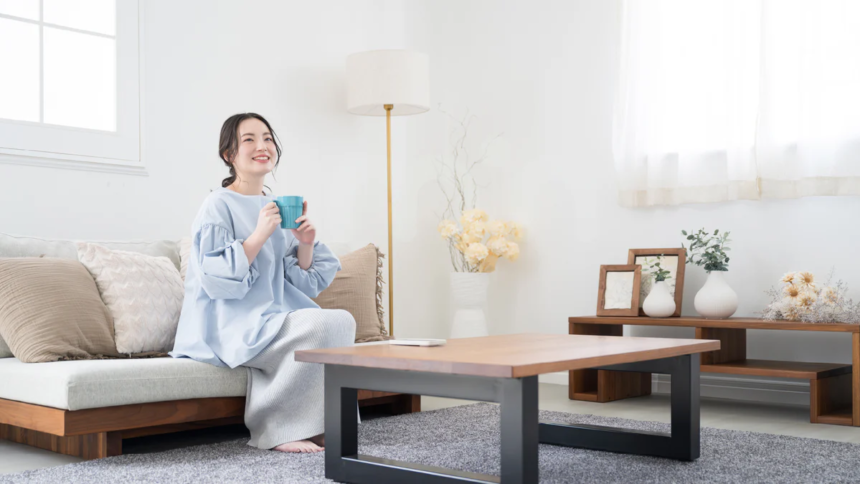
A minimalist lifestyle is not about living in an empty house or throwing away everything you own. It is about keeping only what truly matters and removing the extra things that create stress, confusion, and unnecessary spending. In simple words, minimalism means choosing quality over quantity and focusing on what adds real value to your life.
Many people today feel overwhelmed by too much stuff, too many responsibilities, and too many distractions. Minimalism offers a way to simplify life so you can feel more peaceful, organized, and free. If you are new to this idea, don’t worry. You don’t need to change your entire life in one day. You can start small.
In this article, we will explore practical and easy minimalist lifestyle tips for beginners that anyone can follow, even if you are just starting your journey.
1. Start with a Clear Reason “Why”
Before you begin decluttering or changing your habits, ask yourself why you want a minimalist lifestyle.
Do you want:
- Less stress?
- A cleaner home?
- More savings?
- More free time?
- Better focus?
Your reason will guide your journey. Without a clear purpose, it is easy to give up halfway. Write your reason on paper and keep it somewhere visible. This will remind you why you started when things feel difficult.
2. Start Small, Not Big
One of the biggest mistakes beginners make is trying to change everything at once. Minimalism is not a race. You don’t need to clean your entire house in one day.
Start with small areas like:
- One drawer
- One shelf
- Your wallet or bag
- Your phone apps
Spend just 10–15 minutes a day. Small steps create long-term habits. Over time, these small changes will transform your whole space and mindset.
3. Declutter One Category at a Time
Instead of cleaning random things, focus on categories. This makes the process easier and less stressful.
You can start with:
- Clothes
- Books
- Kitchen items
- Electronics
- Papers and documents
Pick one category and go through each item. Ask yourself:
- Do I use this?
- Do I love this?
- Does this add value to my life?
If the answer is no, it may be time to let it go.
4. Follow the “One-Year Rule”
If you haven’t used something in the last one year, you probably don’t need it.
Many people keep items “just in case,” but most of the time, those items are never used. Letting go of unused things creates more space and reduces mental pressure.
This rule is especially helpful for clothes, kitchen tools, and old gadgets.
5. Stop Impulse Buying
Minimalism is not only about removing things—it is also about stopping unnecessary new things from entering your life.
Before buying something, ask:
- Do I really need this?
- Can I live without it?
- Do I already have something similar?
Try waiting 24 hours before buying anything non-essential. Most of the time, you will realize you don’t actually need it.
6. Focus on Quality, Not Quantity
Instead of buying many cheap items, choose fewer high-quality items that last longer.
For example:
- One good pair of shoes instead of three low-quality ones
- One durable bag instead of several trendy ones
- A few versatile clothes instead of a full wardrobe you don’t wear
This reduces clutter and saves money in the long run.
7. Simplify Your Digital Life
Minimalism is not only physical. Your digital space also affects your mind.
Try these simple steps:
- Delete unused apps
- Unsubscribe from unwanted emails
- Organize your photos
- Clean your desktop or phone home screen
- Limit social media time
A clean digital space helps you think more clearly and reduces distractions.
8. Create a Simple Daily Routine
A minimalist lifestyle also includes simplifying your daily habits. A messy routine creates stress and confusion.
Try to:
- Wake up and sleep at the same time
- Plan your day the night before
- Keep your to-do list short (3–5 important tasks)
- Avoid overbooking your schedule
A simple routine gives you more control over your time and energy.
9. Learn to Say “No”
Many people feel busy because they say yes to everything—extra work, unnecessary events, or commitments they don’t enjoy.
Minimalism teaches you to protect your time.
Saying “no” is not rude. It is a way to respect your energy and focus on what matters most.
10. Keep Only What Brings Value or Joy
Every item in your life should have a purpose or meaning. If something is just taking space without adding value, it may be time to let it go.
This idea helps you build a home filled only with useful and meaningful things. It also makes cleaning and organizing much easier.
11. Practice Gratitude
Minimalism is not just about removing things—it is also about appreciating what you already have.
Take a few minutes each day to think about:
- What you are thankful for
- What you already own
- What makes you happy
Gratitude reduces the desire for unnecessary things and increases happiness.
12. Avoid Comparison
One reason people buy too much is comparison. Social media often shows perfect homes, clothes, and lifestyles.
But minimalism reminds you that your life does not need to look like anyone else’s. Focus on your own needs and comfort, not others’ opinions.
13. Make Your Space Easy to Maintain
A minimalist home should be easy to clean and organize.
Tips:
- Keep flat surfaces clear
- Use simple storage boxes
- Assign a place for every item
- Avoid over-decorating
When everything has a place, cleaning becomes fast and stress-free.
14. Enjoy the Process
Minimalism is not a one-time project. It is a lifestyle. You will continue improving and adjusting over time.
Don’t pressure yourself to be perfect. Progress is more important than perfection. Even small improvements make a big difference.
Conclusion
Starting a minimalist lifestyle may seem difficult at first, but it becomes easier with small, consistent steps. The goal is not to live with nothing, but to live with only what truly matters.
By following these minimalist lifestyle tips for beginners, you can create a life that feels lighter, calmer, and more meaningful. You will have more space, more time, and more freedom to enjoy the things that really matter.
Minimalism is not about less life—it is about a better life.
Frequently Asked Questions (FAQs)
1. What is the first step in minimalism for beginners?
The first step is to understand your reason for starting. Once you know why you want a minimalist lifestyle, it becomes easier to make decisions about what to keep or remove.
2. Do I need to throw away all my things to be a minimalist?
No. Minimalism is not about throwing everything away. It is about keeping only what is useful or meaningful to you.
3. Can minimalism save money?
Yes. When you stop buying unnecessary things and focus on quality over quantity, you naturally save more money over time.
4. Is minimalism difficult to follow?
It can feel difficult at first, but if you start small and take simple steps, it becomes a natural habit.
5. Can I be a minimalist and still enjoy shopping?
Yes, but you will shop more mindfully. You will buy only what you truly need or love instead of buying on impulse.